How to Finance an Airbnb or Vacation Rental Property: A Complete Guide for Investors
Purchasing a vacation rental can be an excellent way to generate passive income while building long-term wealth. Whether you’re buying a beachfront condo, a mountain cabin, or a home in a popular vacation destination, choosing the right financing is just as important as choosing the right property.
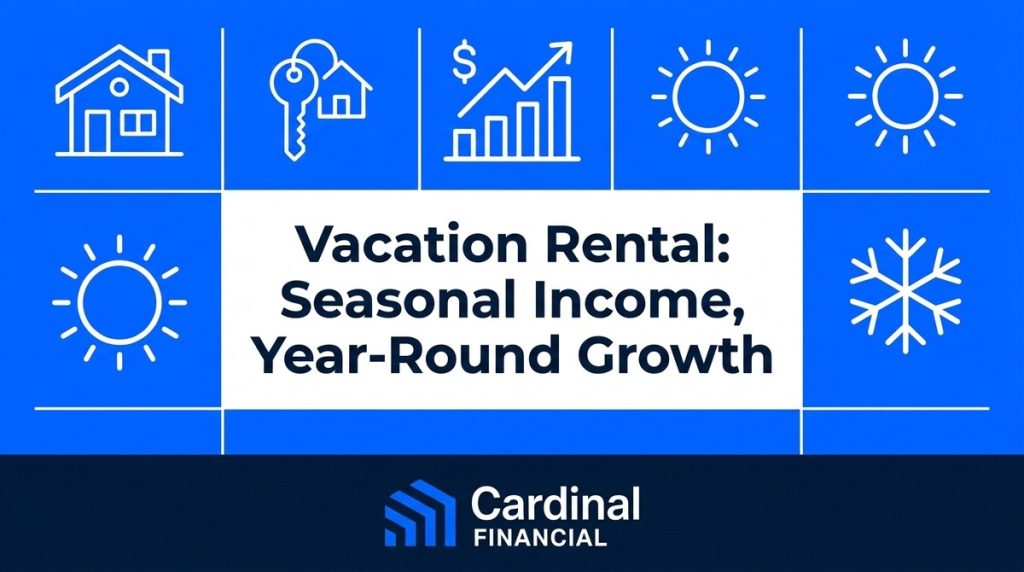
Many investors assume financing a short-term rental is the same as financing a traditional rental property. In reality, vacation rental financing follows a different set of guidelines because the property’s income often fluctuates throughout the year. A strong summer season may be followed by slower winter months, and lenders understand that.
The good news is that financing an Airbnb or VRBO property has become easier than ever. Between conventional investment property loans, DSCR loans, and other specialized mortgage programs, investors have more options today than they did just a few years ago.
With more than 24 years of mortgage lending experience, we’ve helped investors finance everything from their first vacation rental to large investment portfolios. Understanding how lenders evaluate these properties can help you choose the right loan program and avoid unnecessary delays during underwriting.
Understanding Vacation Rental Financing
Traditional mortgage underwriting is designed around predictable income. A borrower with a W-2 job or a tenant paying a fixed monthly lease is relatively straightforward for a lender to evaluate.
Short-term rentals work differently.
Instead of receiving the same rent every month, vacation rentals experience seasonal highs and lows. Occupancy rates, nightly pricing, holidays, and local events all influence monthly revenue.
Rather than focusing on one exceptional month, lenders typically evaluate the property’s annual earning potential to determine whether it can comfortably support the proposed mortgage payment.
For many investors, one of the best financing solutions is a Debt Service Coverage Ratio (DSCR) loan. Instead of qualifying primarily on your personal income, a DSCR loan focuses on whether the property’s income is sufficient to cover its mortgage obligation. This makes DSCR financing especially attractive for self-employed borrowers, experienced real estate investors, and anyone with complex tax returns.
Depending on your situation, conventional financing may also be an excellent option, particularly if you have strong income, solid credit, and significant reserves. The best loan program depends on your financial profile, investment strategy, and long-term goals.
How Lenders Evaluate Short-Term Rental Income
One of the biggest misconceptions among investors is that lenders simply multiply the property’s highest monthly income by twelve.
That isn’t how underwriting works.
Instead, lenders look for a realistic annual average.
For example:
-
January: $3,200
-
February: $3,700
-
July: $8,900
-
August: $8,100
Although the property generated nearly $9,000 during peak season, the lender evaluates the property’s overall annual performance rather than relying on a single strong month.
If you’re purchasing an established vacation rental, previous operating history often plays an important role in the underwriting process.
If you’re buying a property without rental history, certain loan programs may allow projected rental income supported by an appraisal or independent market analysis. This can make financing possible even before the property has welcomed its first guest.
Understanding how each lender analyzes seasonal income is one of the biggest reasons investors benefit from working with a mortgage professional experienced in investment property financing.
Documentation You’ll Need
The smoother your documentation, the smoother your loan process.
Depending on the loan program, lenders may request:
-
Schedule E tax returns
-
Airbnb or VRBO income statements
-
Property management reports
-
Bank statements showing rental deposits
-
Year-to-date profit and loss statements
-
AirDNA reports or comparable market rent analyses
-
Property appraisals with rental income estimates
Not every loan requires every document. Requirements vary depending on whether you’re purchasing a new property, refinancing an existing rental, or using a DSCR loan instead of conventional financing.
Having organized documentation before applying can significantly reduce underwriting conditions and help keep your closing on schedule.
Why Cash Reserves Matter
Cash reserves are one of the strongest compensating factors for investment property financing.
Lenders understand that even successful vacation rentals occasionally experience slower booking periods, unexpected maintenance expenses, or temporary vacancies.
Having several months of mortgage payments available demonstrates that you’re financially prepared to manage those situations.
Depending on the loan program, lenders often require anywhere from three to six months of reserves for investment properties.
Those reserves don’t always have to be sitting in a checking account. Retirement accounts, brokerage accounts, and other liquid assets may also satisfy reserve requirements.
Strong reserves can improve your overall loan profile and, in some cases, provide access to better financing options.
Choosing the Right Loan Program
Every investor’s situation is different.
Some borrowers qualify best with conventional financing because they have excellent income and strong credit.
Others benefit from DSCR financing because qualifying based on the property’s cash flow is simpler than documenting personal income.
There are also investors who may benefit from bank statement loans or other specialized financing solutions if they’re self-employed.
Rather than assuming one loan fits every borrower, it’s important to compare multiple financing options before making a decision.
The right mortgage isn’t simply the one with the lowest interest rate. It’s the loan that best supports your investment strategy, cash flow objectives, and long-term financial goals.
Frequently Asked Questions
Can I finance an Airbnb property?
Yes. Many lenders offer financing specifically for short-term rental properties, including conventional investment property loans and DSCR loans.
Can projected rental income be used?
In many cases, yes. Certain loan programs allow projected rental income supported by an appraisal or market analysis when the property does not yet have an operating history.
What is a DSCR loan?
A Debt Service Coverage Ratio (DSCR) loan qualifies primarily using the property’s income instead of the borrower’s personal income. These loans have become one of the most popular financing options for real estate investors.
How much do I need for a down payment?
Down payment requirements vary depending on the loan program, property type, occupancy, and borrower qualifications. They will typically range from a minimum of 15% down. An experienced mortgage professional can review your options and determine the financing structure that best fits your goals.
Final Thoughts
Financing a vacation rental doesn’t have to be complicated, but choosing the wrong loan program can cost you thousands of dollars over the life of the mortgage.
Whether you’re purchasing your first Airbnb, expanding your investment portfolio, or refinancing an existing vacation rental, understanding your financing options is the first step toward making a smart investment.
At David Ross Loans, we have more than 24 years of experience helping investors secure financing for residential and investment properties across the country. We’ll compare your loan options, explain the advantages of each program, and help you choose the financing solution that best supports your long-term investment strategy.
If you’re considering purchasing or refinancing a vacation rental property, contact David Ross Loans today to discuss your financing options and receive a customized mortgage strategy tailored to your investment goals.